
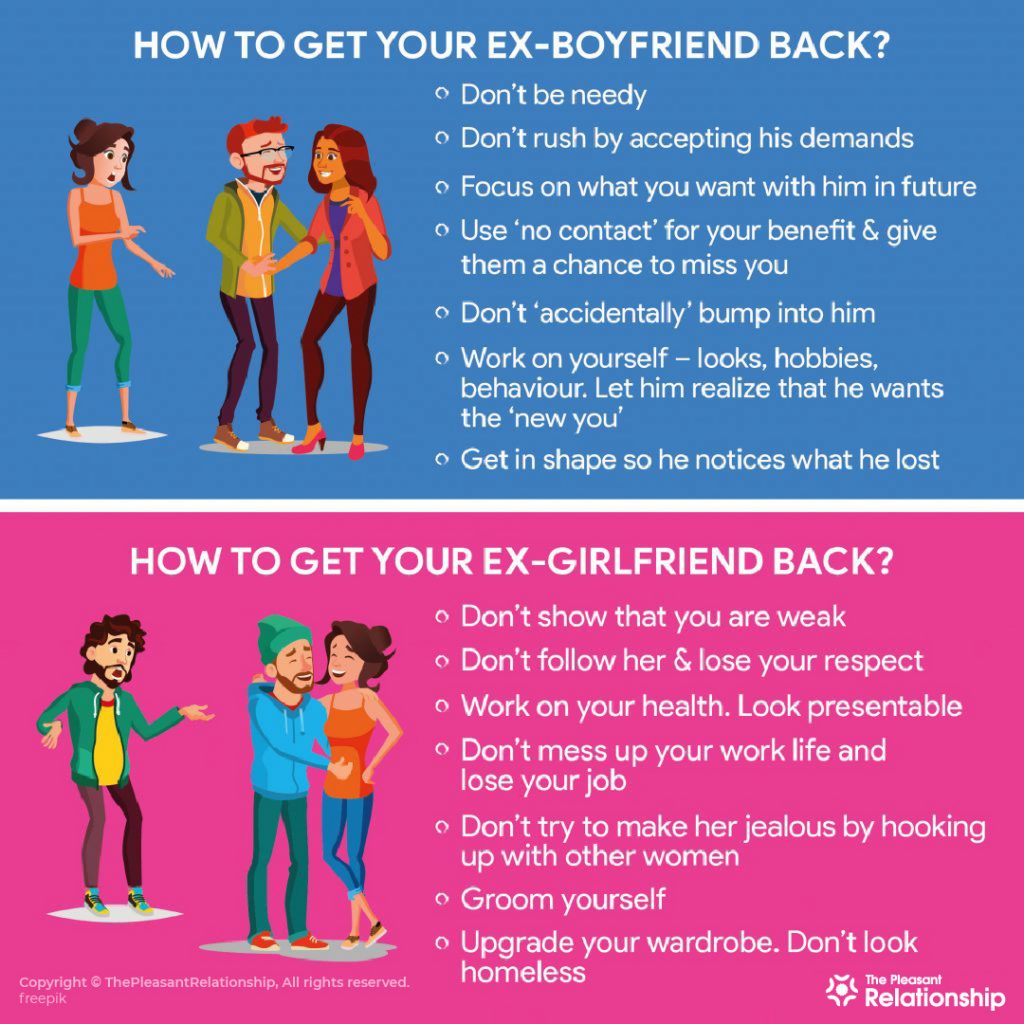
Winning Back Your Ex After Trust Issues: A Guide to Healing and Rebuilding
Okay, so you're going through a breakup. And not just any breakup, but one fueled by trust issues. It’s tough, I get it. You're probably feeling a rollercoaster of emotions right now: hurt, anger, confusion, and maybe even a glimmer of hope that things can be salvaged. But here’s the deal: rebuilding trust after a breach is no easy feat. It takes time, effort, and a genuine commitment to change from both of you. So, if you’re determined to win back your ex, let’s dive into the steps that can pave the way for a healthier, stronger relationship.
Acknowledge the Pain and Take Responsibility
The first step is acknowledging the pain you've caused. There's no sugarcoating it: trust issues arise because of actions, words, or patterns that have hurt your partner deeply. It's crucial to understand why they feel this way. Avoid making excuses or blaming them for their feelings. Instead, take ownership of your role in the breakdown of trust. Say something like, "I understand how my actions made you feel insecure, and I take full responsibility for that. I deeply regret the pain I caused you." This kind of genuine apology shows you're serious about rebuilding the foundation of your relationship.
Give Them Space and Time
You might be dying to talk, but resist the urge to bombard them with messages or calls. They need time and space to process everything. Trying to force communication can only push them further away. Respect their need for distance and give them the time they need to heal. This might feel incredibly difficult, but it’s a vital step towards rebuilding trust. Think of it as giving them the space to work through their feelings without feeling pressured. Let them know you understand their need for space and that you'll be there when they're ready to talk.
Reflect on Your Actions and Patterns
This is where the hard work begins. You need to delve deep and understand why your actions caused trust issues in the first place. Were you secretive? Did you lie? Did you break promises? Were you constantly unavailable? Once you identify the patterns, you can start working on changing them. Ask yourself:
- What were the underlying factors that led to these behaviors?
- Are there any underlying insecurities that you need to address?
- What steps can you take to break these negative patterns?
It’s important to be honest with yourself about these questions. Be prepared to put in the effort to make real changes. Don't just promise to change, actually change.
Show Consistent Effort to Rebuild Trust
Actions speak louder than words. It’s time to walk the talk. Here are a few ways to demonstrate your commitment to rebuilding trust:
- Be open and honest. Share your thoughts and feelings openly and honestly. This doesn't mean you have to overshare, but be transparent about your intentions and actions.
- Be reliable. Follow through on your promises, big and small. Show up on time, keep your commitments, and be there for them when they need you. This builds confidence and demonstrates that you can be trusted.
- Be accountable. If you make a mistake, own up to it. Don't make excuses or blame others. Taking responsibility shows your ex that you're willing to learn and grow from your errors.
- Communicate effectively. Make sure your partner feels comfortable sharing their feelings and concerns without fear of judgment. Listen actively, validate their emotions, and offer support. Open and honest communication is key to rebuilding trust.
- Be patient and persistent. Rebuilding trust takes time, and it's a journey, not a destination. Be patient and understanding, and don't expect instant results. Stay consistent in your efforts, and show them that you're committed to making things right.
Seek Professional Guidance if Needed
If you’re struggling to navigate the complexities of rebuilding trust on your own, don't hesitate to seek professional help. A therapist can provide you with tools and strategies to understand your behaviors, communicate effectively, and build a healthier relationship. It's okay to ask for support; it's a sign of strength, not weakness.
The Importance of Their Input
Throughout this process, it's crucial to remember that your ex has the right to set the pace. They might not be ready to talk or forgive you right away. That's okay. Respect their boundaries and be patient. If they’re not ready to engage in conversations about rebuilding trust, don't force it. Focus on making positive changes in your own life and demonstrating your commitment to growth. As they see your effort and progress, it may ease their anxieties and create space for open communication.
Be Prepared for Setbacks
It’s important to be prepared for setbacks along the way. There will be moments of frustration, anger, and doubt. It's not always going to be easy, and there may be times when you feel like giving up. But remember: Every step forward is progress. Instead of getting discouraged by setbacks, use them as opportunities to learn and grow. Reflect on what went wrong, apologize again if necessary, and continue working towards rebuilding trust.
Be Patient and Understand Their Journey
Healing from a betrayal of trust is a deeply personal journey. It takes time for your ex to process their emotions and decide whether they're willing to rebuild trust with you. You can't force them to forgive you or forget what happened. Be patient and supportive, and let them know you're there for them every step of the way.
The Potential for Healing
Rebuilding trust after a breakup is a challenging but potentially rewarding journey. If you're both willing to put in the work, it can lead to a stronger and more secure relationship. But it's vital to remember that the decision to rebuild trust ultimately rests with your ex. Be prepared to accept their decision, even if it means moving on. Remember, your worthiness doesn’t hinge on anyone else’s approval. If you put in the effort to heal yourself, grow as a person, and take responsibility for your actions, you’ll come out of this journey stronger, regardless of the outcome.
No comments:
Post a Comment
Note: Only a member of this blog may post a comment.