
How to Make Peace and Let Go of Someone Who’s Moved On
The sting of heartbreak is a universal experience. It can be incredibly painful to watch someone you care about move on, especially if you still hold onto feelings for them. It's easy to get caught up in the "what ifs" and dwell on the past. However, holding onto these emotions will only prolong your suffering. The key to healing is to accept the situation, focus on yourself, and move forward. Here's a guide to help you make peace and let go of someone who's moved on.
Acknowledge and Validate Your Feelings
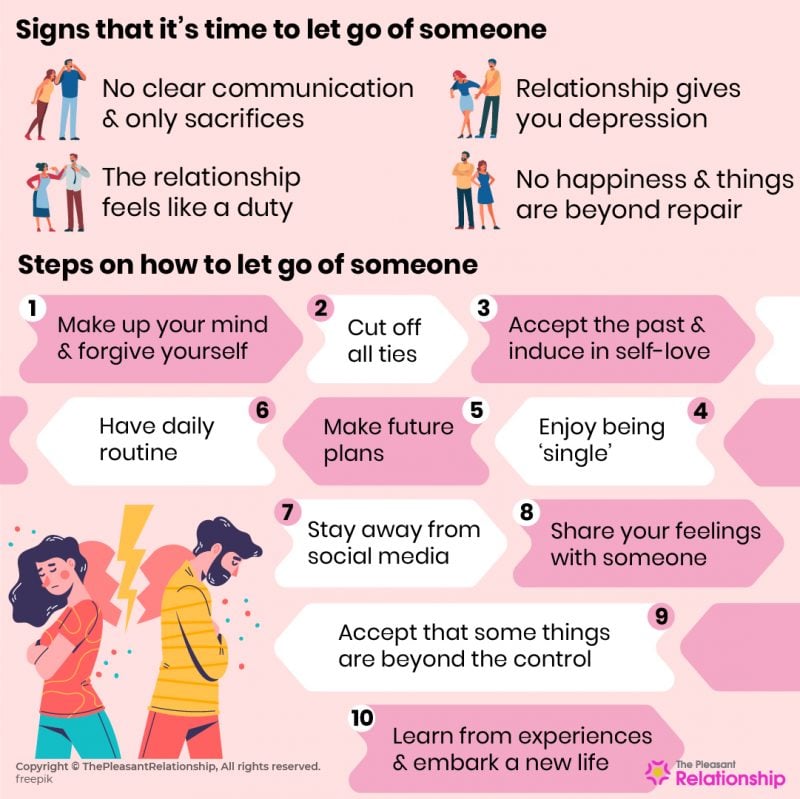
The first step is to acknowledge and validate your feelings. Don't try to suppress them or pretend they don't exist. Give yourself permission to feel sad, angry, jealous, or any other emotion that arises. It's important to allow yourself to grieve the loss of the relationship, even if it was never officially "yours." You can write in a journal, talk to a trusted friend, or even seek professional help to process your emotions.
Understand That Moving On is Not a Reflection of You
It's crucial to remember that someone moving on has nothing to do with your worth or value. People change, they grow, and their priorities and desires can shift. Perhaps they've reached a point where they need different things in a relationship. Their decision to move on is their own and doesn't diminish your own personal qualities.
Embrace the “No Contact†Rule
This might be the hardest step, but it's essential for your healing. Limit contact with the person who has moved on. This includes avoiding social media, mutual friends, or any place where you might run into them. Seeing them or hearing about them will only keep you stuck in the past. This isn't about being bitter, it's about giving yourself the space and time you need to heal.
Focus on Self-Care and Personal Growth
Invest in yourself. Focus on the things that bring you joy and fulfillment. Take up new hobbies, reconnect with old friends, or pursue a passion you’ve been neglecting. Self-care isn't selfish; it's a crucial part of the healing process. This is an opportunity for personal growth and self-discovery.
Practice Gratitude and Acceptance
While it's hard to be grateful for a situation that causes pain, shifting your perspective can help. Instead of focusing on what you’ve lost, consider what you’ve learned from the relationship. Be thankful for the good times you shared and the lessons you gained. Accept the situation as it is, even if it’s painful, and release the desire to control the outcome.
Forgive Yourself and Others
Holding onto anger and resentment will only hurt you. Forgiveness is a gift you give yourself. Forgiveness doesn’t mean condoning their actions or forgetting what happened. It means releasing the pain and bitterness so you can move on. Similarly, forgive yourself for any mistakes you made in the relationship.
Seek Professional Help
If you're struggling to cope with the pain, don't hesitate to seek professional help. A therapist can provide a safe space to process your emotions, develop healthy coping mechanisms, and guide you through the healing process. They can also help you work through any underlying issues that may be contributing to your difficulties.
Remember that healing takes time. Be patient with yourself and allow yourself to grieve the loss of the relationship. Eventually, the pain will lessen, and you'll find peace and move forward with a stronger sense of self. You will be okay. You are worthy of love, happiness, and fulfilling relationships.
No comments:
Post a Comment
Note: Only a member of this blog may post a comment.