
The No Contact Rule: Does It Work & How to Implement It
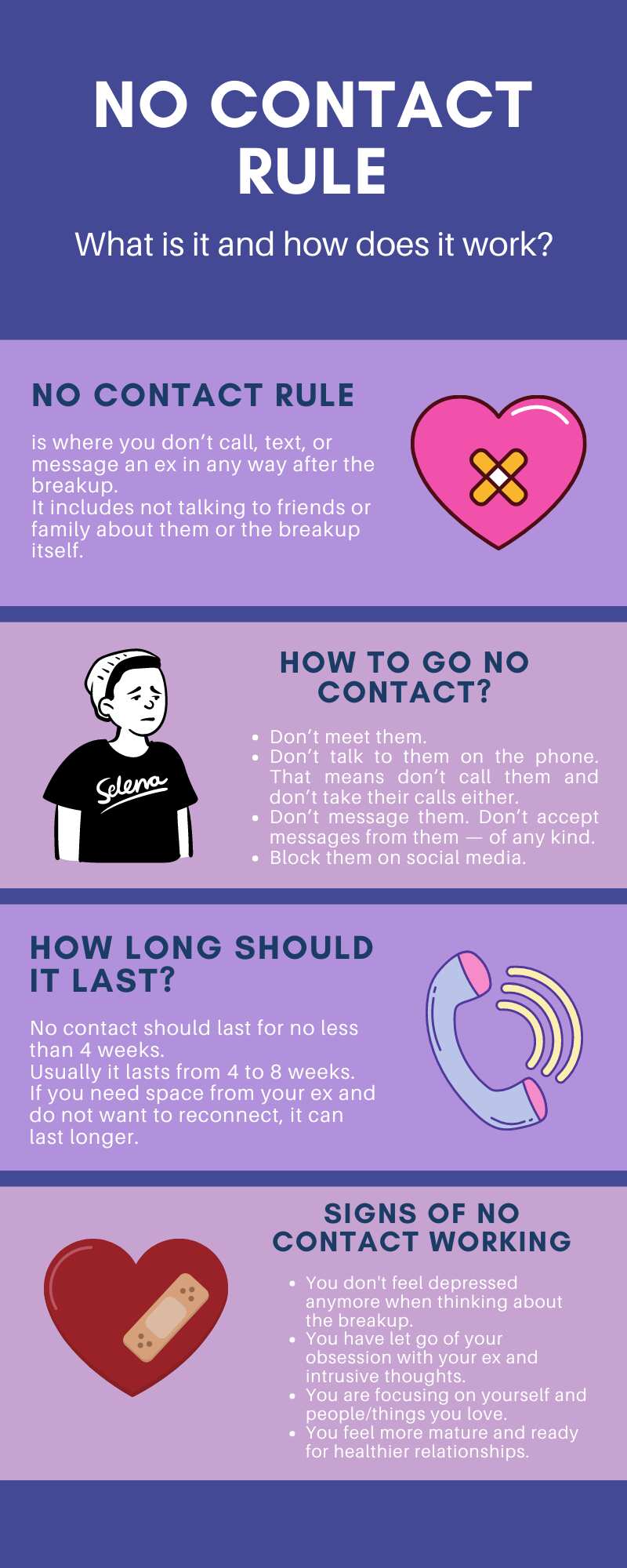
The no-contact rule is a popular strategy used by individuals seeking to heal after a breakup or to rekindle a lost relationship. The premise involves completely cutting off all communication with an ex-partner for a specific period, often ranging from weeks to months. While the effectiveness of this approach is debated, it's essential to understand its potential benefits, drawbacks, and the steps involved in implementing it.
Understanding the No Contact Rule
The no-contact rule is based on the psychological principle of creating distance to facilitate emotional healing and self-reflection. When individuals are in constant contact with their ex-partner, they tend to dwell on the past, making it difficult to move on. This can lead to emotional distress, anxiety, and a continued sense of attachment.
By implementing the no-contact rule, individuals aim to:
- Reduce Emotional Distress: Removing the constant reminder of the breakup and the ex-partner's presence can significantly reduce emotional distress and allow for emotional healing to begin.
- Gain Perspective: The absence of contact encourages individuals to introspect and gain clarity on their feelings, needs, and desires. It also allows them to reflect on the relationship and its dynamics.
- Rebuild Self-Esteem: By focusing on themselves and their own well-being, individuals can regain their sense of self-worth and build their self-esteem, which may have suffered during the relationship.
- Create Desire and Curiosity: In some cases, the no-contact rule can trigger a sense of curiosity and longing in the ex-partner, leading to potential reconciliation.
Does the No Contact Rule Work?
The effectiveness of the no-contact rule is highly subjective and depends on various factors, including the nature of the breakup, the individuals involved, and the specific circumstances.
Potential Benefits:
- Emotional Healing: For many individuals, the no-contact rule provides a necessary space for emotional healing, reducing the constant reminders of the breakup and allowing them to move on.
- Self-Discovery: The period of separation encourages individuals to reflect on themselves, their needs, and their values, fostering personal growth and self-awareness.
- Reduced Conflict: The lack of contact minimizes the potential for further arguments, misunderstandings, and emotional turmoil.
- Increased Attraction (in some cases): By creating a sense of distance and mystery, the no-contact rule can sometimes rekindle interest and attraction in the ex-partner.
Potential Drawbacks:
- Ineffective for Certain Relationships: The no-contact rule may not be suitable for all relationships, particularly those involving abuse, manipulation, or unhealthy patterns. In such cases, maintaining distance and seeking professional support are crucial.
- Increased Anxiety and Uncertainty: The lack of contact can also trigger anxiety, uncertainty, and feelings of loneliness, especially if individuals are struggling with attachment issues.
- Potential for Misinterpretation: The no-contact rule might be misinterpreted by the ex-partner as disinterest or rejection, leading to further complications or resentment.
- Risk of Missed Opportunities: In some cases, the no-contact rule might hinder the possibility of communication and reconciliation if both individuals are willing to work on the relationship.
How to Implement the No Contact Rule
If you decide to implement the no-contact rule, it's important to do so with a clear strategy and strong intentions. Here's a step-by-step guide:
Step 1: Set Clear Boundaries
Before initiating the no-contact rule, define clear boundaries with your ex-partner. Explain that you need time and space to heal and that communication will be limited. This helps avoid confusion and potential misunderstandings.
Step 2: Block Communication Channels
Cut off all communication channels with your ex-partner, including text messages, phone calls, social media, and email. This may involve blocking them on various platforms, deleting their contact information, and refraining from checking their social media profiles.
Step 3: Focus on Yourself
Use the no-contact period to focus on yourself. Engage in activities that bring you joy, pursue your passions, reconnect with friends and family, and prioritize your self-care.
Step 4: Seek Support
Reach out to trusted friends, family members, or a therapist for support and guidance during this time. Talking about your feelings can help process the breakup and develop a healthy coping mechanism.
Step 5: Reflect and Grow
Use the no-contact period for introspection and self-reflection. Consider the lessons learned from the relationship, identify areas for personal growth, and work on building a stronger, healthier version of yourself.
Step 6: Re-evaluate and Decide
After the designated no-contact period, reflect on how you feel and evaluate your goals. If your intention was to heal, assess if you've achieved that. If you're considering reconciliation, consider the potential benefits and drawbacks and communicate with your ex-partner with a clear perspective.
Important Considerations
- Respect Boundaries: Respect your ex-partner's boundaries and avoid initiating contact, even if they reach out to you. Your commitment to the no-contact rule is crucial for its effectiveness.
- Seek Professional Help: If you're struggling with the no-contact rule or experiencing intense emotions, consider seeking professional help from a therapist or counselor. They can provide personalized support and guidance.
- Avoid Contact Under Any Circumstances: The no-contact rule requires complete abstinence from all communication, including casual encounters, social media interactions, or attempts to reach out through mutual friends.
Conclusion
The no-contact rule can be a valuable tool for emotional healing and self-discovery after a breakup, but its effectiveness is not guaranteed. It's essential to understand its potential benefits and drawbacks and implement it with a clear strategy and realistic expectations. If you decide to use the no-contact rule, remember to prioritize your well-being, focus on personal growth, and seek support from trusted individuals or professionals.
No comments:
Post a Comment
Note: Only a member of this blog may post a comment.